
Our Crafts
Kutch Weaves and the crafts around them.
Our journey began with the weave craft of Kutch. Kutch's weaving tradition is an important part of the region's craft ecosystem, and we work to connect it with wider markets while creating opportunities for artisans and buyers.
- Kutch Weaving
- Artisan Production
- Market Access
- Design Innovation
- Buyer Connections
Weave · Kala Cotton
Kutch Kala Cotton
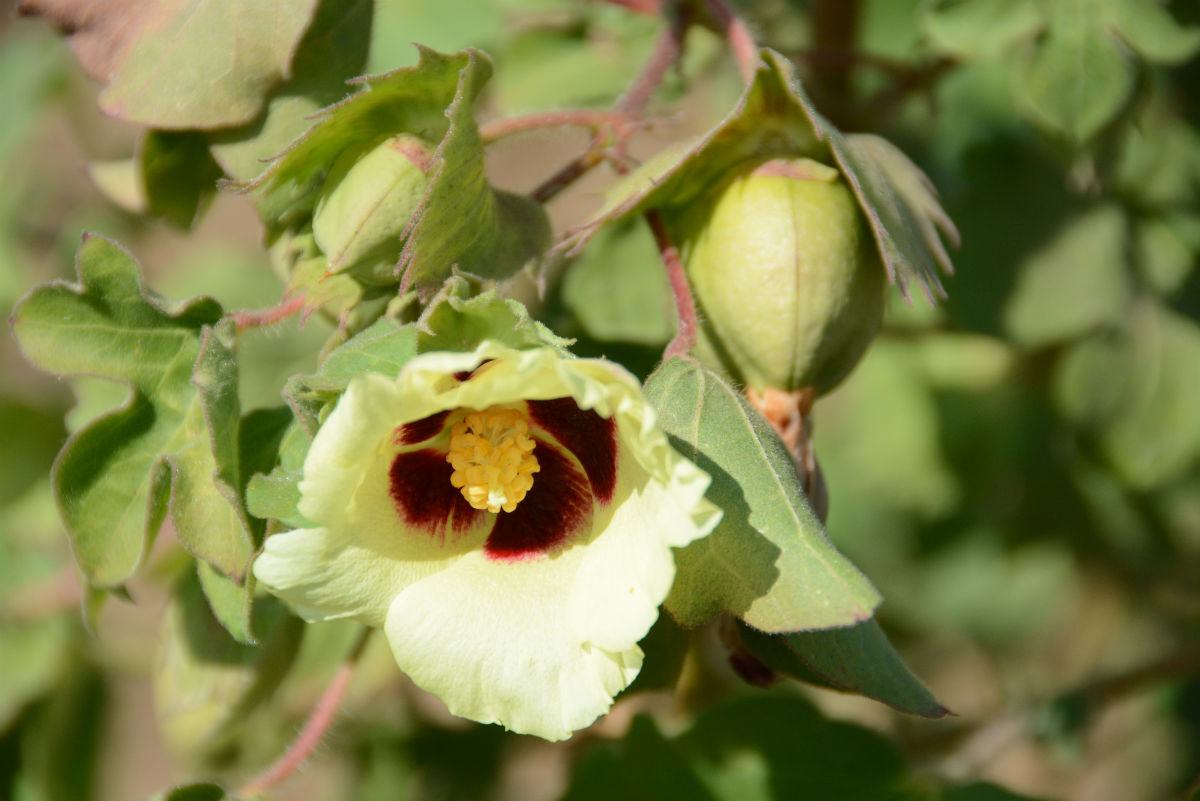
Kala Cotton of Kutch is the original, pure old world cotton of India, and one of the few genetically pure cotton species still cultivated on a large scale. It is indigenous to Kutch and grown without pesticides or synthetic fertilisers, as a purely rain-fed crop with high tolerance for disease and pests.
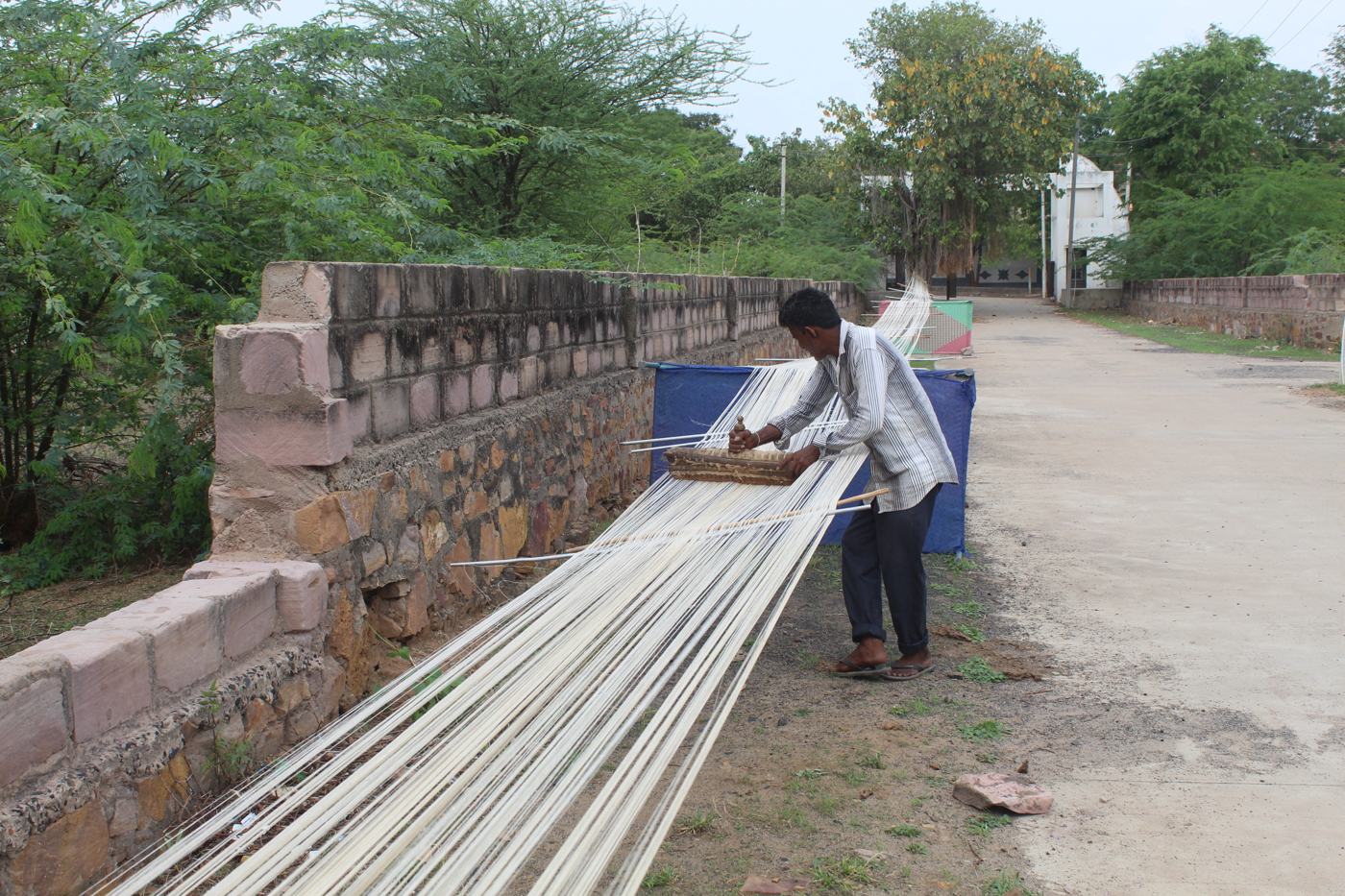
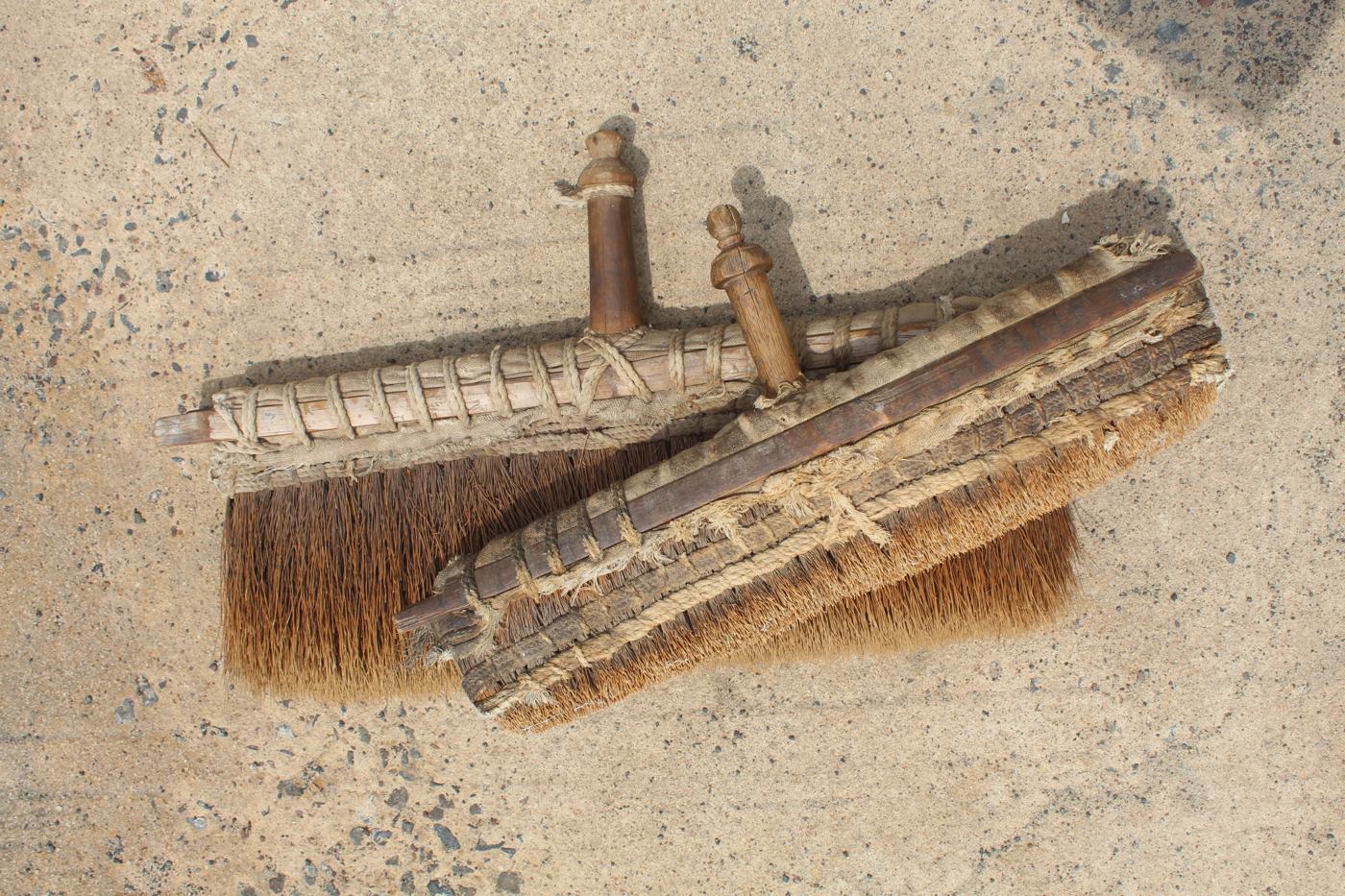
It forms a strong, coarse, stretchable fibre. Small-scale weavers cannot buy raw material in bulk, so a local value chain was needed to protect them from market swings. Our initiative brings together farmers, hand spinners, dyers, weavers, designers and users around this locally grown fibre.
- Farmers
- Ginning & spinning
- Dyeing
- Hand weaving
- Washing
- Stitching
- Species
- Gossypium herbaceum (old world cotton)
- Grown in
- Rapar and Bhachau blocks, Kutch
- Our network
- 60 weaver families in 15 villages
Weave · Silk & Cotton Satin
Mashroo
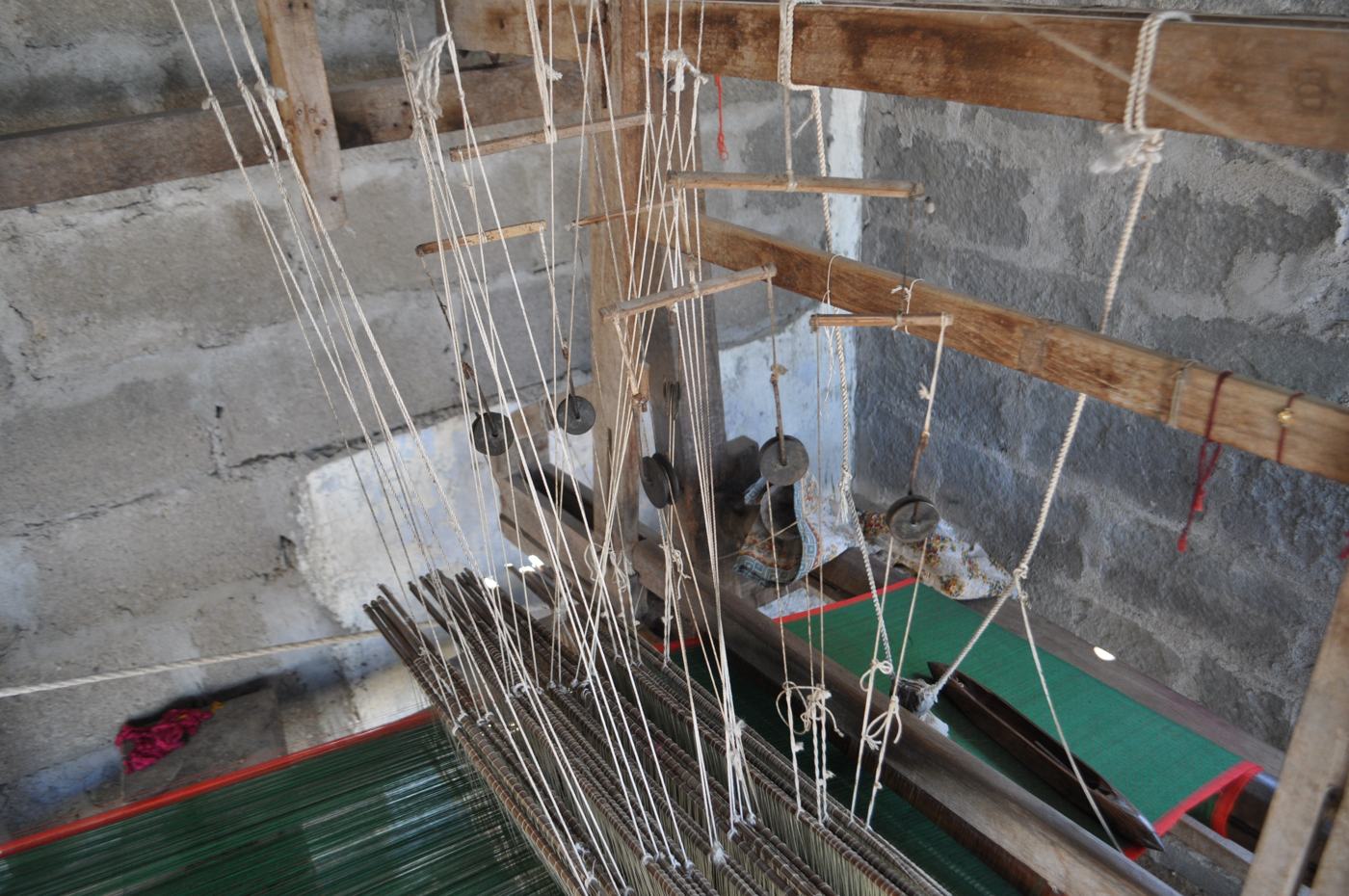
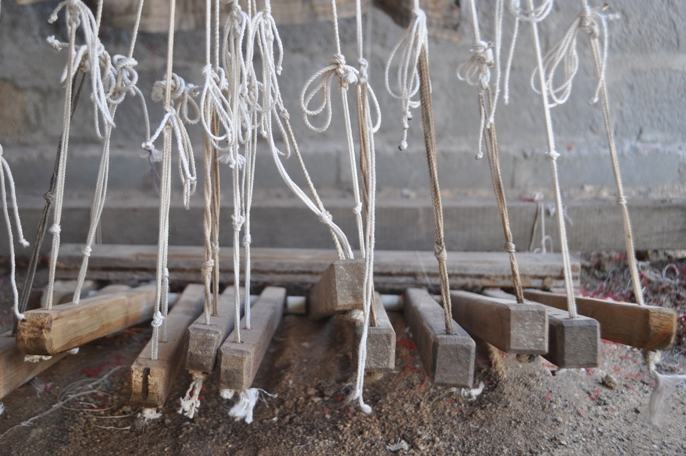
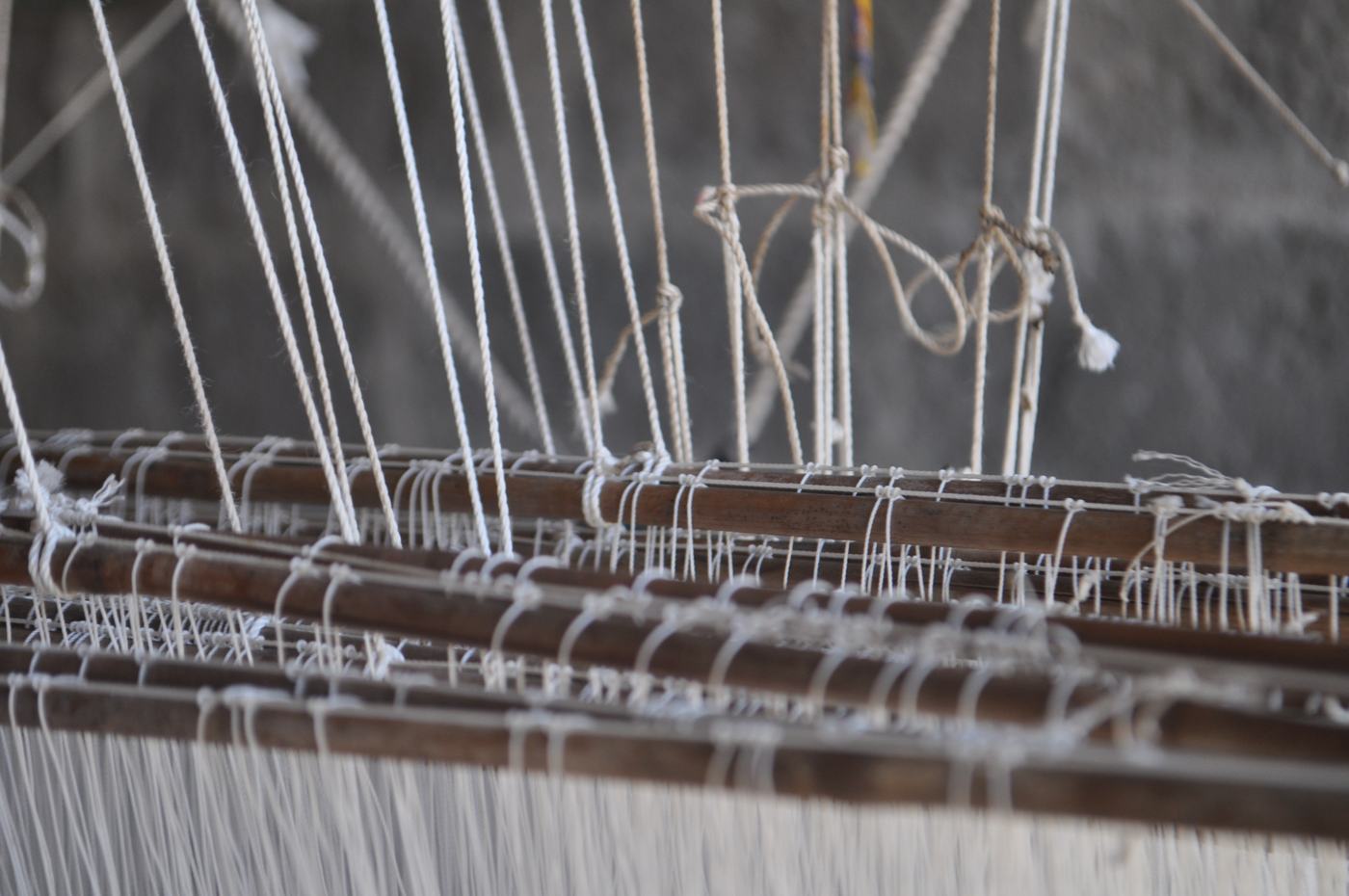
Mashroo has been woven in Kutch and Patan for generations. It is a satin weave that places silk on one face of the fabric and cotton on the other, traditionally made for communities who believed silk should not touch the skin.
In Saurashtra and Kachchh, women stitched mashroo into blouses, skirts and cholis for weddings and festivals. Today the Maheshwari weavers who still practise it are few, and most are in their sixties. The weave needs at least 9 pedals, and complex designs need 11 to 13, which keeps the fabric narrow.
Design interventions can give this craft a future. Designers who can work with short widths, for home décor or saree blouses, can develop a new range together with the weavers. Right now, we buy the fabric weavers bring to our office to sustain their family income.
- Pedals
- 9 minimum; 11–13 for complex designs
- Width
- 22 in (patterned) · 33 in (plain, 1–2 families)
- Weavers
- Maheshwari community, Kutch
Print · Natural Dyes
Ajrakh
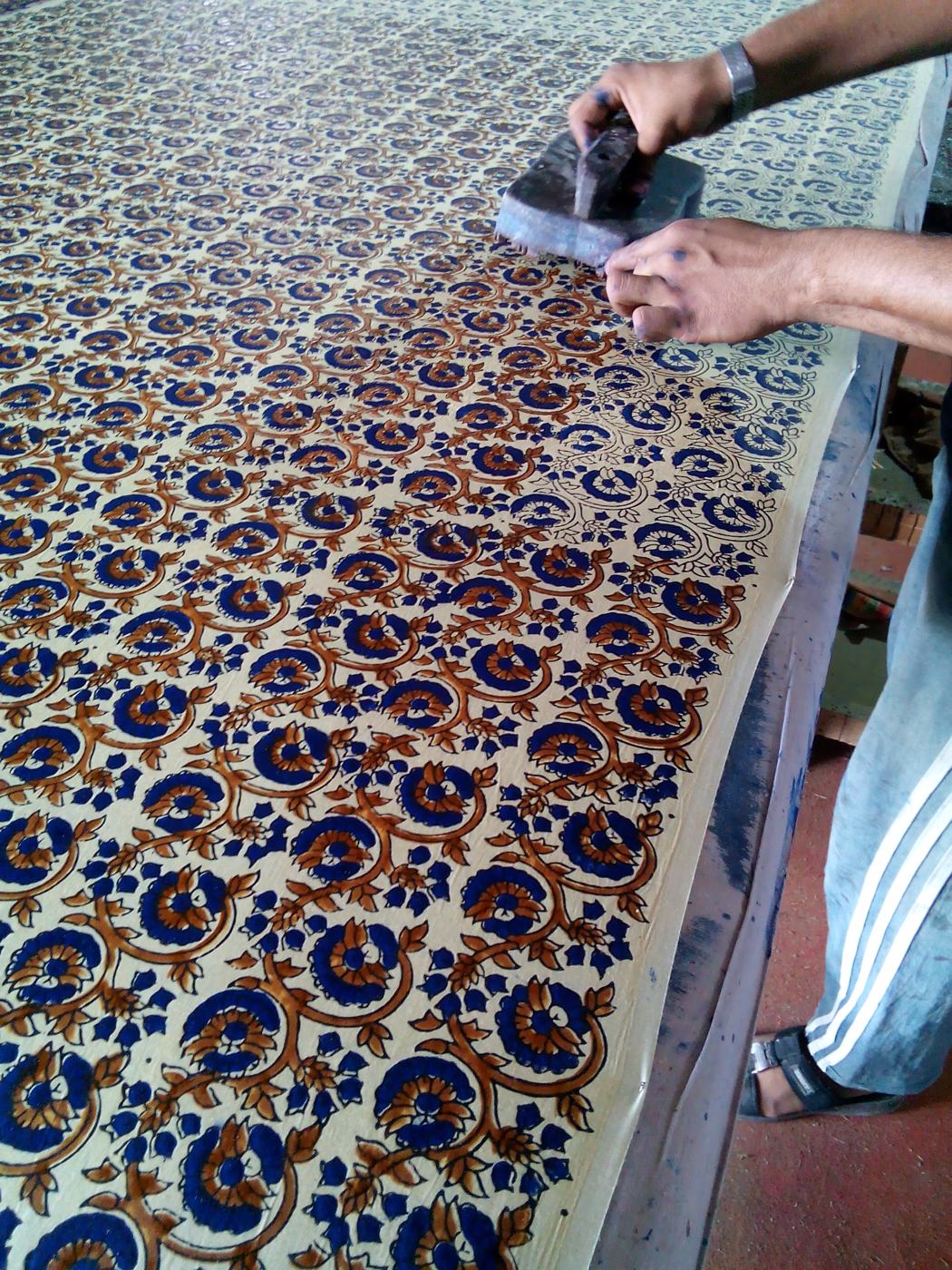
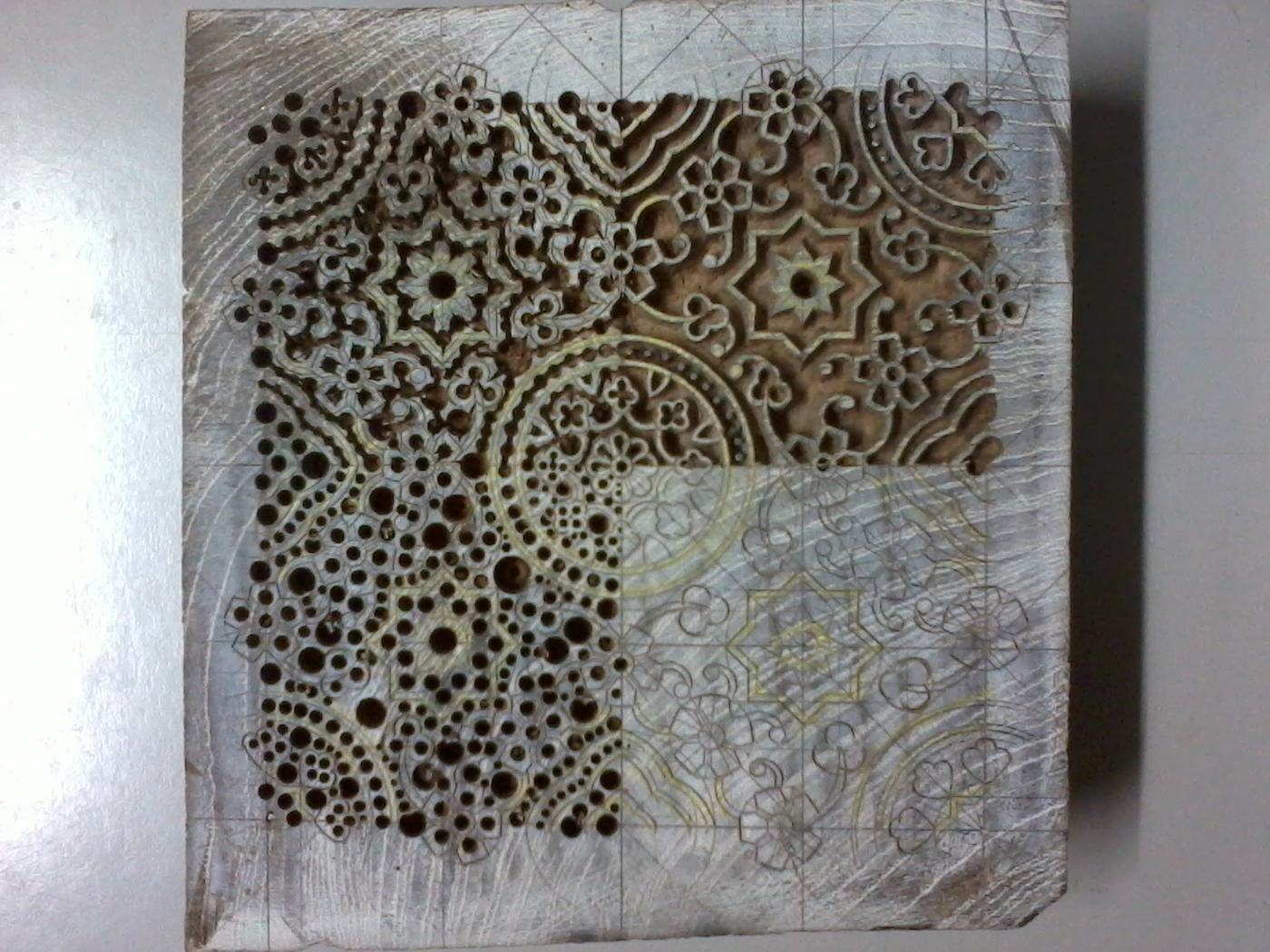
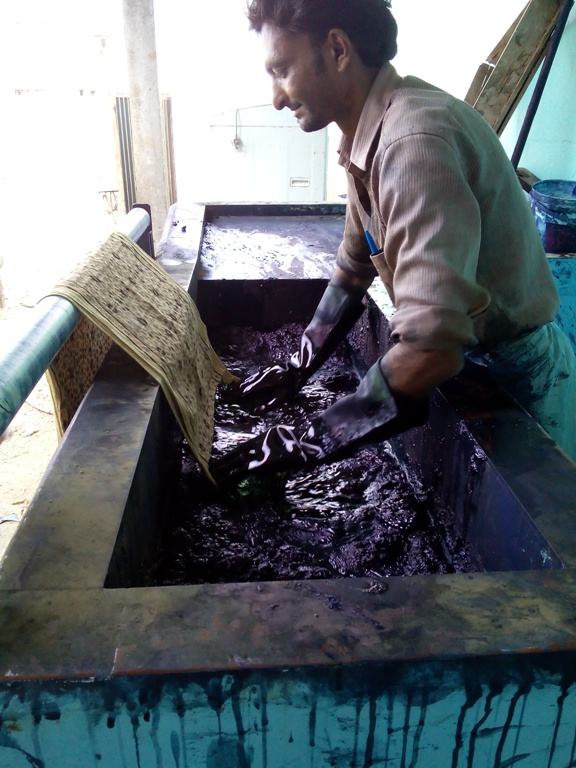
Ajrakh is one of the oldest techniques of hand block printing with natural dyes still alive in India. The word is linked to azrakh, Arabic for indigo, a plant that thrived in Kachchh until the 1956 earthquake. The craft came from Sindh and flourished in Kutch.
The same design is printed on both sides of the cloth, overlapping perfectly. Every ingredient comes from nature: wild indigo, pomegranate bark and seeds, hardwoods, herbs and minerals. Ajrakh is printed on cotton, mulberry, tassar, habutai and eri silks, khadi, velvet, modal and mashroo.
Our role is to develop new designs and colour combinations, and new product lines that grow the market for Ajrakh artisans.
- Practised in
- Dhamadka and Ajrakhpur
- Community
- Khatri
- Dyes
- Indigo, madder, pomegranate, iron, hardwoods
Metal · Sound
Copper Bells
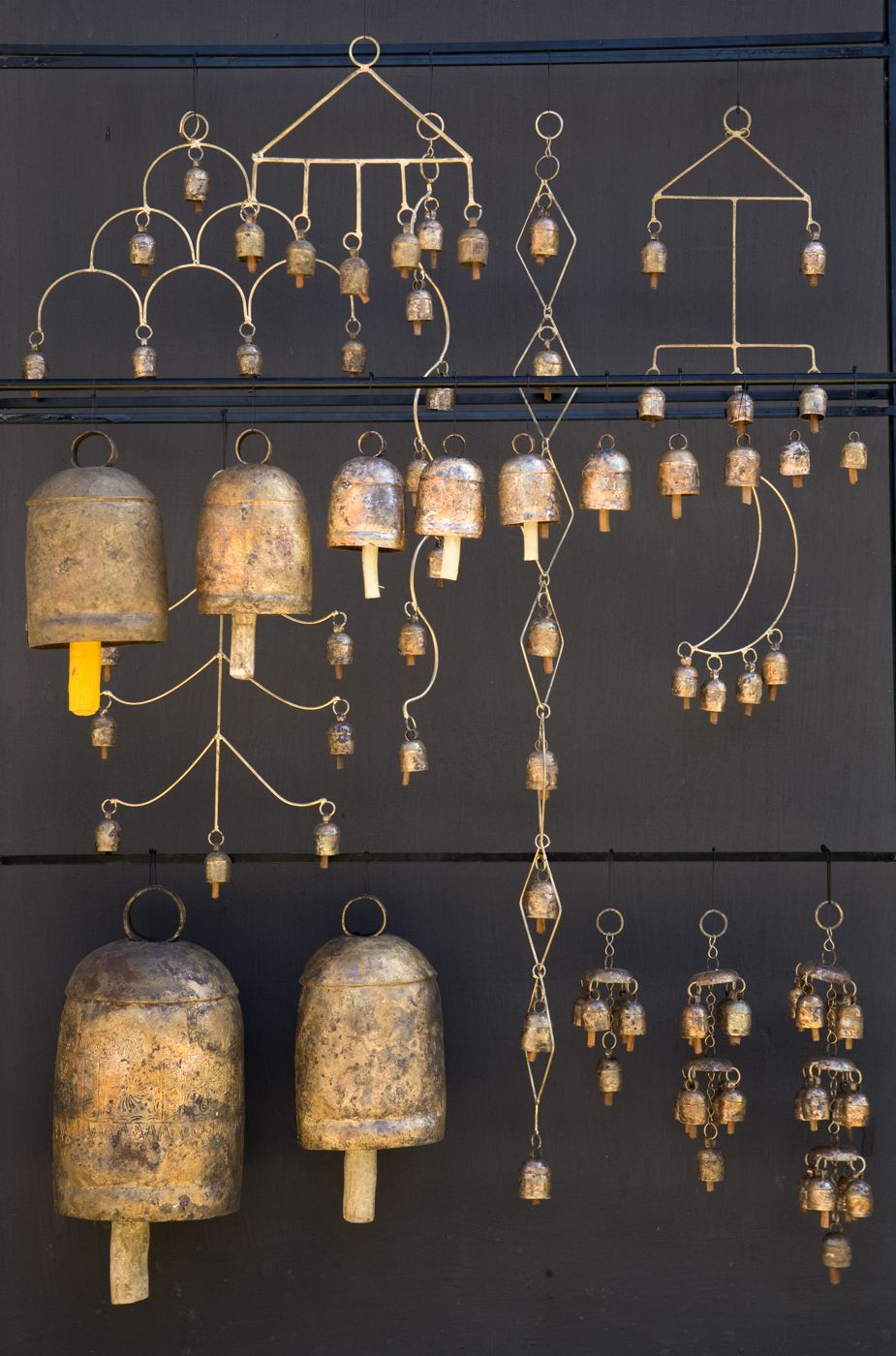
Copper bells of Kutch are made by the Muslim Luhar community in Zura, Nirona, Bhuj, Nakhatrana and Kunariya. Scrap iron is beaten into shape and the parts are locked together by hand, without welding. The bell is coated with copper powder using a mud paste and fired in a furnace, then a wooden striker is fitted and the bell is hammered until it sounds right.
Makers once tuned each bell with Maldhari herders, Bharvads and Rabaris, until the sound matched what their cattle recognised. For the last 50 years the bells have been exported to the USA and Canada, and wind chimes made of smaller bells have opened new markets.
Our role is to find new markets for bell artisans so that more of them come back to this age-old craft.
Made in 4 parts
Cap · round body · top ring · wooden striker
Sizes
No. 0 – 13
0 is the smallest, 13 the largest.
Craft & Contemporary Design